Lawn Care in Mottingham: Practical Tips for a Greener, Healthier Garden
Why lawn care in Mottingham matters for every home

Lawn care in Mottingham is about more than keeping grass short and tidy. A well-maintained lawn improves kerb appeal, creates a usable outdoor space, and helps a garden feel cared for all year round. In Mottingham, where gardens can face changing weather, shaded corners, and seasonal wear, the right lawn care routine makes a noticeable difference.
Whether you have a small front lawn, a family garden, or a larger outdoor area, consistent attention keeps turf looking fresh. Healthy grass is not achieved by mowing alone; it needs feeding, aeration, watering, edging, and seasonal care. That is why homeowners looking for lawn care in Mottingham often benefit from a tailored approach rather than a one-size-fits-all plan.
Local conditions also matter. Clay soil, compacted patches, damp winters, and occasional dry spells can all affect lawn quality. With the right strategy, however, lawn care in Mottingham can be straightforward, efficient, and rewarding. The result is a lawn that grows stronger, looks greener, and becomes easier to maintain over time.
Understanding the local lawn conditions in Mottingham

Every lawn responds differently to its environment, and lawn care in Mottingham should reflect the local setting. Some gardens receive plenty of sun, while others are partially shaded by fences, hedges, or mature trees. Shaded lawns often grow more slowly and can become thin, while sunny areas may dry out faster and need more frequent watering.
Soil condition is another important factor. Many lawns in suburban areas suffer from compaction caused by foot traffic, children playing, pets, or heavy rain. Compacted soil prevents roots from accessing air, water, and nutrients. This is where aeration becomes an essential part of lawn care in Mottingham.
Weather patterns also influence how lawns behave throughout the year. Damp periods can encourage moss and fungal problems, while dry conditions may lead to browning or patchy growth. By understanding these local pressures, you can make better decisions about mowing, feeding, weed control, and seasonal treatment.
Core lawn care in Mottingham: the essentials

A good lawn care routine does not need to be complicated, but it does need consistency. The main elements of lawn care in Mottingham include mowing, watering, feeding, weed control, edging, and scarifying when necessary. Together, these tasks support stronger grass growth and a more attractive finish.
Regular mowing helps grass grow thick and even, but cutting too short can weaken the lawn. Watering is useful during dry periods, though too much can create shallow roots and encourage disease. Feeding provides the nutrients grass needs to stay green and resilient. Weed and moss control help prevent unwanted growth from taking over.
It is also worth remembering that timing matters. Lawn care in Mottingham is most effective when treatments are applied seasonally, rather than randomly. A little planning can save time, reduce waste, and improve results dramatically.
How mowing affects lawn health
Mowing is one of the most visible parts of lawn care in Mottingham, but it is also one of the most misunderstood. Cutting grass regularly encourages denser growth, yet mowing too aggressively can stress the lawn. As a rule, it is better to remove small amounts at a time rather than taking off too much in one session.
The ideal mowing height depends on the grass type and the season. In warmer months, keeping the grass slightly longer helps shade the soil and retain moisture. In cooler months, a moderate cut is usually best. Homeowners often discover that a higher mower setting supports healthier growth and improves the appearance of the lawn.
Sharp mower blades are essential too. Dull blades tear grass rather than cutting cleanly, leaving ragged edges that can turn brown and invite disease. For anyone serious about lawn care in Mottingham, maintaining mower equipment is just as important as mowing itself.
Helpful mowing habits
- Mow regularly during the growing season.
- Avoid cutting more than one-third of the grass height at once.
- Use a sharp blade for a clean cut.
- Leave the grass slightly longer during dry spells.
- Alternate mowing patterns to reduce soil compaction.
Watering strategies for a resilient lawn
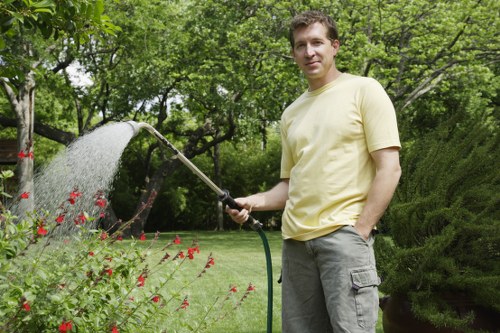
Watering is a critical part of lawn care in Mottingham, especially during dry weather. However, many lawns are overwatered rather than underwatered. Frequent shallow watering encourages grass roots to stay near the surface, making the lawn more vulnerable to heat and drought. A better approach is to water less often but more deeply.
Early morning is usually the best time to water. This allows moisture to soak into the soil before the sun becomes too strong, while reducing evaporation. Evening watering can leave the lawn damp overnight, which may increase the risk of fungal issues. Smart watering habits support stronger roots and better long-term growth.
If you are trying to improve lawn care in Mottingham, focus on the soil as much as the grass. When soil is healthy and able to retain moisture effectively, the lawn will require less frequent watering. Adding organic matter, aerating compacted areas, and avoiding overuse of sprinklers can all make a positive difference.
Signs your lawn may need watering
- Grass appears dull blue-green or greyish.
- Footprints remain visible after walking across the lawn.
- Edges begin to curl or dry out.
- Thin areas brown more quickly than the rest of the lawn.
Feeding the lawn for stronger growth
Feeding is often overlooked, but it is central to effective lawn care in Mottingham. Grass uses nutrients continuously, and without regular feeding it can become weak, pale, and patchy. A well-fed lawn tends to grow thicker, resist wear better, and recover more quickly after mowing or heavy use.
Different fertilisers support different goals. Some are designed to encourage rapid greening, while others focus on root strength or long-term resilience. For best results, choose a feed that suits the season. Spring feeds help lawns recover after winter, summer products support endurance during warm weather, and autumn feeds prepare the lawn for colder conditions.
It is also wise to avoid applying too much fertiliser. Overfeeding may cause excessive growth or even scorch the grass. In lawn care in Mottingham, balanced application is far more effective than heavy-handed treatment. Read product instructions carefully and apply evenly for a consistent result.
Benefits of regular feeding
- Improves colour and thickness.
- Encourages stronger root development.
- Helps grass recover from wear.
- Supports resistance to drought and disease.
- Reduces patchiness over time.
Weed and moss control in Mottingham lawns

Weeds and moss are common issues in many gardens, and lawn care in Mottingham often requires regular attention to both. Weeds compete with grass for light, water, and nutrients, while moss tends to thrive in damp, shaded, or compacted areas. If left untreated, both can gradually weaken the lawn.
The best defence is a healthy lawn. Thick, vigorous grass naturally suppresses weed growth and reduces the space available for moss. That means mowing properly, feeding consistently, and improving soil conditions are all part of effective weed and moss management. Chemical treatments may help in some cases, but prevention is usually better than cure.
For moss-prone lawns, scarifying and aeration are often useful. Scarifying removes surface thatch and moss, while aeration improves drainage and airflow. These treatments are especially valuable in lawn care in Mottingham where shaded or compacted areas are more likely to stay damp.
Common weeds found in lawns
- Dandelions
- Clover
- Plantain
- Buttercups
- Chickweed
Aeration, scarifying, and dethatching
Aeration is one of the most beneficial treatments in lawn care in Mottingham, particularly for lawns that receive a lot of foot traffic. By making small holes in the soil, aeration allows air, water, and nutrients to move more freely to the roots. This strengthens the turf and helps reduce surface compaction.
Scarifying removes built-up thatch, which is the layer of dead grass, roots, and organic debris that can sit on top of the soil. A thin layer of thatch is normal, but too much can block water and nutrients. Dethatching helps restore balance and improves the lawn’s overall health. These tasks may make a lawn look worse temporarily, but the long-term benefits are worth it.
In many cases, the best time for these treatments is during active growth periods, when the grass can recover quickly. If you want lawn care in Mottingham to produce strong results, combining aeration and scarifying with proper feeding and mowing can transform a tired lawn into a healthier one.
When to consider these treatments
- The lawn feels hard or compacted underfoot.
- Water sits on the surface after rain.
- Moss spreads quickly across shaded areas.
- Grass looks thin, weak, or patchy.
- The lawn has not been professionally treated for a long time.
Seasonal lawn care in Mottingham
One of the best ways to improve lawn care in Mottingham is to follow a seasonal routine. Each season brings different challenges, and lawns respond best when care is adjusted accordingly. Spring is usually the time for recovery and growth, summer for maintenance and moisture management, autumn for strengthening, and winter for protection.
In spring, lawns often need feeding, mowing, and possibly overseeding to fill bare patches. Summer requires careful watering and mowing to avoid stress. Autumn is ideal for scarifying, aerating, and applying a nutrient-rich feed that helps the lawn store energy for winter. In winter, it is best to minimise traffic and avoid working on frozen or waterlogged ground.
This seasonal approach keeps lawn care in Mottingham practical and effective. It also reduces the risk of common issues like bare patches, weed outbreaks, and moss growth, because each treatment is timed to match the lawn’s natural cycle.
Seasonal checklist
- Spring: rake, feed, mow regularly, repair damaged areas.
- Summer: water wisely, mow higher, reduce stress.
- Autumn: scarify, aerate, overseed, and apply autumn fertiliser.
- Winter: keep off frozen grass and reduce disturbance.
Dealing with bare patches and thin grass
Bare patches are a common concern in lawn care in Mottingham, especially after heavy use, pet damage, or harsh weather. Thin grass can make the entire lawn look tired, but the good news is that patchy areas can often be improved with simple repair work. Overseeding is one of the most effective methods for restoring coverage.
Before overseeding, it helps to prepare the soil. Remove weeds, loosen the surface, and ensure the area is not overly compacted. Then spread grass seed evenly and keep the area moist until new growth begins. Patience is important, as germination can take time depending on weather and seed type. Once established, these new areas blend into the existing lawn and improve its overall density.
If patches keep returning, the cause may be deeper than surface damage. Poor drainage, shade, low fertility, or repeated compaction can all be underlying factors. Proper lawn care in Mottingham should address both the symptom and the cause for lasting improvement.
How to improve soil health for better lawns
Healthy soil is the foundation of successful lawn care in Mottingham. Grass can only thrive when the root zone has the right balance of air, moisture, and nutrients. If soil is too compacted, too dry, or too poor in organic matter, the lawn will struggle no matter how often it is mown.
Improving soil health may involve aeration, topdressing, and the addition of organic matter. Topdressing with a suitable mix can help level uneven areas and improve soil structure. Over time, these changes create a better growing environment and support stronger turf.
Testing the soil can also be helpful. A simple pH test reveals whether the lawn is too acidic or alkaline, which affects nutrient uptake. If you are serious about lawn care in Mottingham, soil improvement is one of the smartest investments you can make.
Benefits of healthier soil
- Better root development.
- Improved drainage and water retention.
- Reduced moss and weed pressure.
- Stronger growth during spring and summer.
- Better recovery after wear or bad weather.
Pet-friendly and family-friendly lawn care
Many households in Mottingham want a lawn that looks good but also works for everyday life. Children, pets, and regular outdoor activity all place extra pressure on grass. That makes lawn care in Mottingham especially important for family gardens, where durability matters just as much as appearance.
Choosing the right seed mix can make a big difference. Some grass varieties are more resilient to wear and tear, while others establish quickly and help repair damaged areas. Keeping the lawn healthy through feeding and aeration also makes it more resistant to paw traffic, play, and repeated use. A strong lawn is always more practical than a purely ornamental one.
If pets are part of the household, it can help to rinse affected areas quickly and reseed worn patches as needed. With the right care, lawn care in Mottingham can produce a surface that is attractive, functional, and comfortable for everyone to enjoy.
Professional lawn care in Mottingham versus DIY maintenance
Some homeowners enjoy looking after their lawns themselves, while others prefer to use a professional service. Both approaches can work well. DIY lawn care in Mottingham can be cost-effective and satisfying, especially if you have time to stay on top of mowing, feeding, and watering. However, it does require regular effort and a bit of know-how.
Professional support may be worth considering when the lawn is severely compacted, full of moss, or recovering from long-term neglect. A trained specialist can assess the condition of the turf and recommend a treatment plan based on the site, soil, and seasonal needs. This can be especially useful for larger lawns or gardens with recurring problems.
Ultimately, the best option depends on your goals, budget, and schedule. Many people choose a hybrid approach: managing routine maintenance themselves while calling in professionals for aeration, scarifying, or more technical work. That flexible strategy keeps lawn care in Mottingham manageable and effective.
DIY or professional? Consider these points
- How much time can you realistically commit?
- Is the lawn healthy enough for basic maintenance only?
- Are there persistent issues such as moss, drainage, or bare patches?
- Do you want expert results with less trial and error?
Simple ways to keep your lawn looking its best
Good lawn care in Mottingham often comes down to small habits done consistently. Regular mowing, sensible watering, seasonal feeding, and prompt repair work all add up. Even a lawn that has seen better days can improve significantly with steady attention and a realistic routine.
It is also helpful to walk the lawn regularly and notice early signs of trouble. Yellowing, thinning, moss growth, poor drainage, or hard soil can all indicate that the turf needs extra care. By catching these issues early, you can act before they become expensive or time-consuming problems.
Above all, remember that lawns are living spaces, not static surfaces. They change with the weather, with use, and with the seasons. The most successful lawn care in Mottingham is the kind that adapts, responds, and keeps the grass supported throughout the year.
Why investing in lawn care pays off
A healthy lawn delivers more than visual appeal. It creates a welcoming outdoor environment, adds value to the property, and provides a space for relaxation, play, and socialising. For many homeowners, lawn care in Mottingham is not just a maintenance task but a way of improving the overall quality of their home life.
There is also a practical benefit. A thicker lawn can help reduce soil erosion, suppress weeds, and cope better with heavy use. It is often easier to maintain a healthy lawn than to revive a neglected one, which is why early and consistent attention matters so much. Small efforts now can prevent bigger problems later.
If you want a garden that feels neat, usable, and enjoyable through the seasons, investing in lawn care in Mottingham is a smart decision. Book your service now if you want expert help, or contact us today to take the first step toward a greener lawn.

